


Rhinoplasty patients
Patient 1. The aim of the operation was to remove the nasal hump and to slightly elevate the nasal tip.

Before procedures |
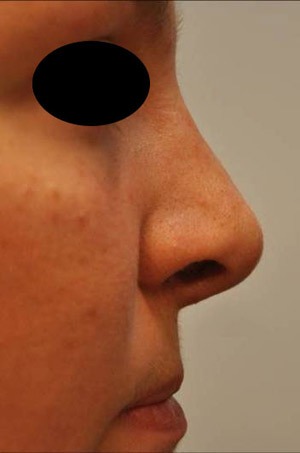
After procedures |
Patient 2. Patient had moderate saddle nose deformity due to previous trauma.
Height of the nasal dorsum was low both in the bony and cartilaginous (nasal septum) part of the dorsum. Tip of the nose is drooping. Open approach rhinoplasty was done to correct dorsal profile, narrow the nasal dorsum and elevate the nasal tip.
´
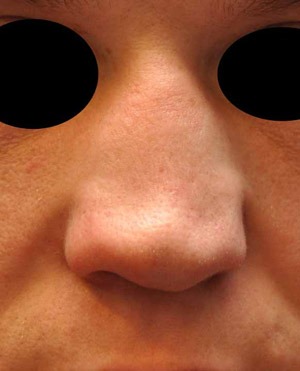
Before procedures |

Before procedures |
|
Before procedures |
Before procedures |
|
After procedures |
After procedures |
|
After procedures |
After procedures |

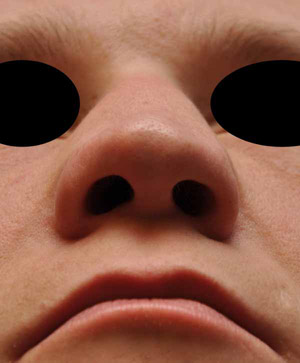


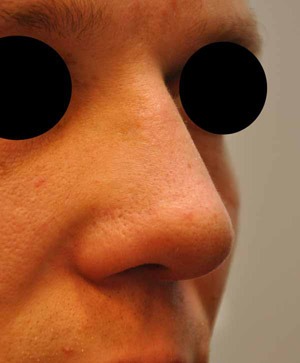
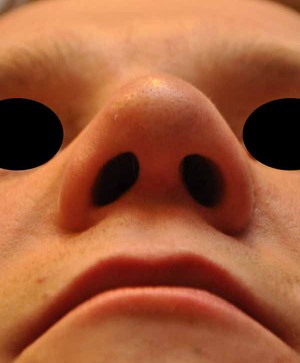
Patient 3. Severe saddle nose deformity which was corrected using costal cartilage.
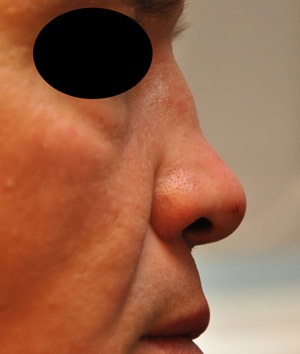
Before procedures |

After procedures |
Patient 4. Severely deviated nasal septum can cause asymmetric nostrils and deviation of the nasal bridge. Endonasal approach was used to restore symmetric nostrils and straighten the nasal bridge.
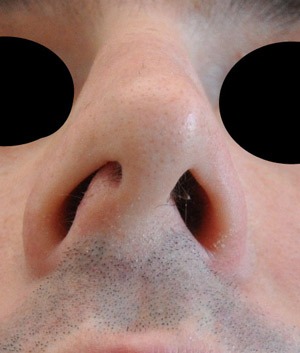
Before procedures |
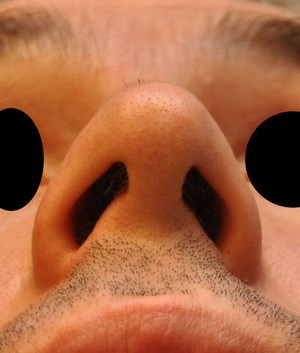
After procedures |
Patient 5. Mild deviation of the nose to the right. Closed rhinoplasty approach was used for correction.
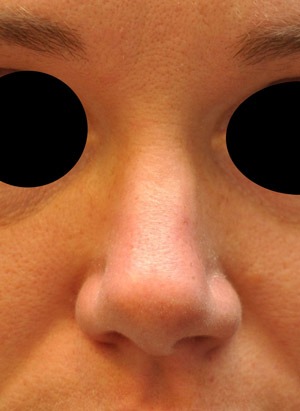
Before procedures |
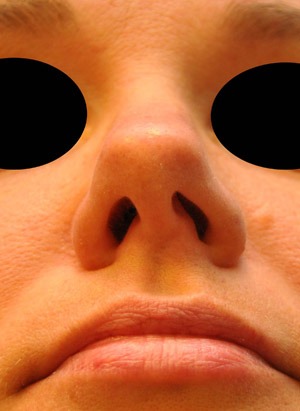
Before procedures |
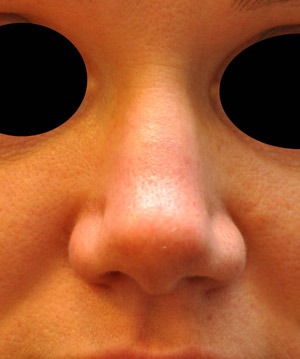
After procedures |
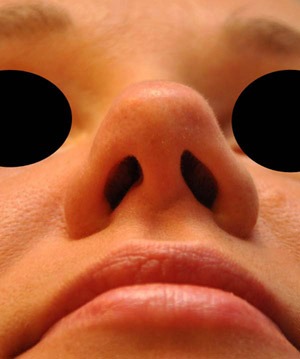
After procedures |
Patient 6. Severe nasal deformation secondary to cleft lip and palate. Rib cartilage was used for correction. Open approach.
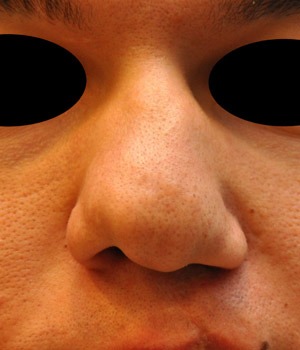
Before procedures |

Before procedures |
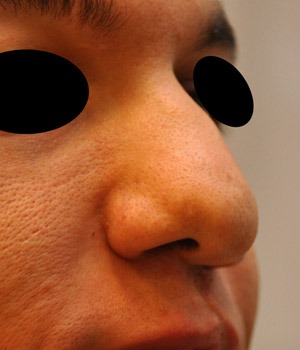
Before procedures |

Before procedures |
|
After procedures |
After procedures |
|
After procedures |
After procedures |
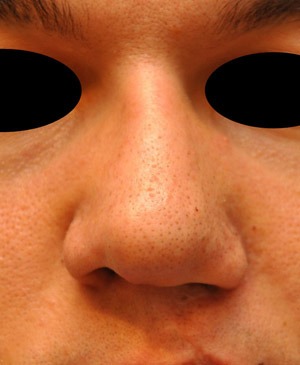


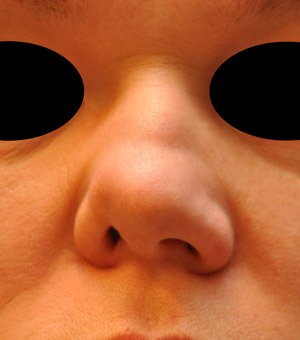
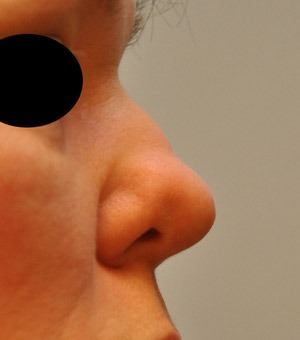
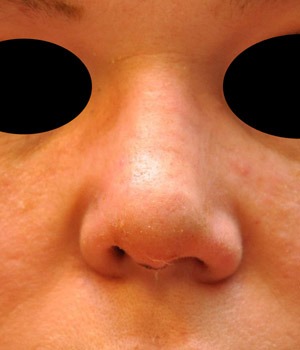
Patient 7. Severe nasal deformation due to previous trauma. Correction of such deformities require open approach rhinoplasty.
|
Before procedures |
Before procedures |
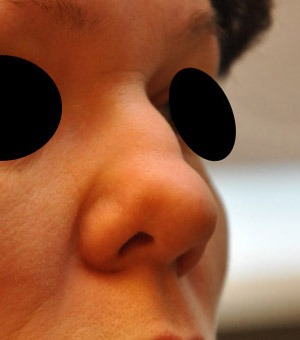
Before procedures |
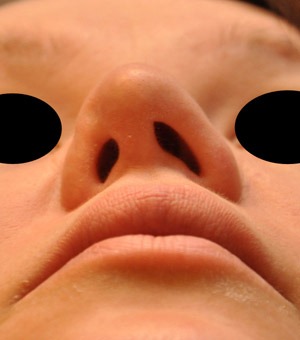
Before procedures |
|
After procedures |
After procedures |
|
After procedures |
After procedures |
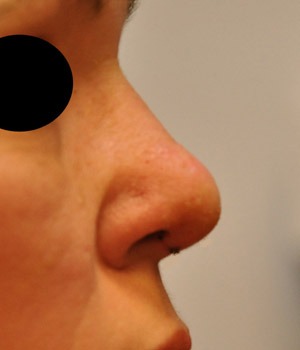

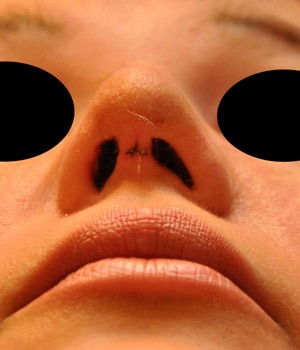
Otoplasty patients
Patient 1. Otoplasty. The prominence of the upper part of both auricles was caused by insufficiently developed antihelical folds.

Before procedures |

After procedures |
Patient 2. Otoplasty. The surgical technique consisting of antihelical fold deepening combined with conchal setback was used.

Before procedures |

After procedures |
Patient 3. Revision otoplasty. The prominence of the upper part of both auricles was still evident after previous surgery. Failure of the previous operation was caused by insufficiently formed antihelical fold.
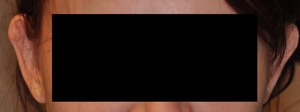
Before procedures |

After procedures |
Patient 4. Patient was bothered by too large and protruding eras. The surgery was aiming to reduce the size of the ears (reduction of 15 mm was achieved) and to correct their prominence.

Before procedures |
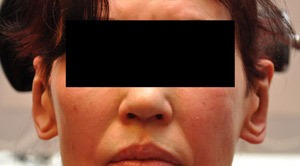
After procedures |